





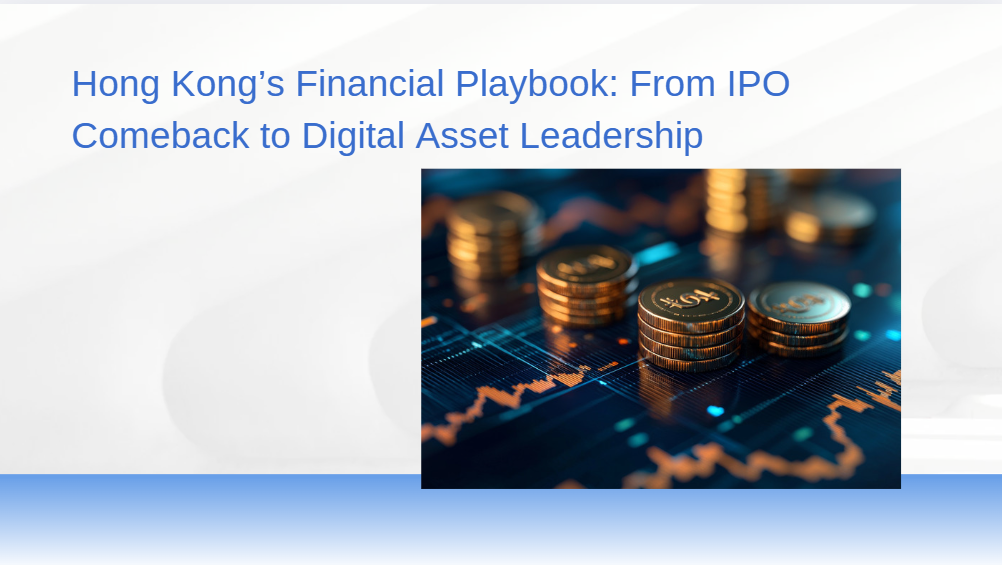
Hong Kong's Capital-Hub 2.0: How Global Treasurers Are Quietly Rewiring Their Asia Playbooks
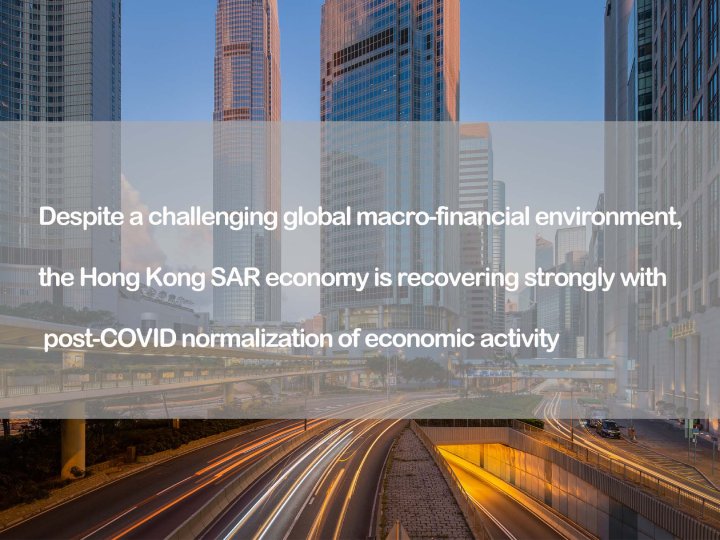
"Not a gateway to China, but a regional treasury switchboard—this is Hong Kong's new role," stated Benjamin Hung Pi-cheng, Chairman of the Financial Services Development Council (FSDC). In its annual report briefing, the FSDC outlined how Hong Kong is repositioning itself as a four-in-one hub for capital markets, treasury management, risk hedging, and digital finance amid global economic fragmentation.
Why it matters for non-China players
With trade lanes and capital flows fragmenting, corporates need a jurisdiction that can price, hedge, and settle in USD, CNH, and regulated stablecoins within the same time zone. Hong Kong offers this convenience, along with a 36% growth in regional treasury centres since 2020, totaling over 1,900.
Stablecoin as a game-changer
Hung emphasized stablecoins' role in facilitating frictionless payments. The Monetary Authority has received 12 licence applications for HKD- or USD-pegged stablecoins, with approvals expected in Q1 2026. For global treasurers, this means same-day cross-border settlements without forex hassles.
Risk management toolkit
The FSDC is enhancing Hong Kong's risk management capabilities: extending MSCI Asia-ex-Japan futures trading hours to cover London and New York mornings, introducing CNH-denominated energy and metals options in Q3 2025, and developing carbon-credit derivatives with dual settlement in USD or CNH.
Regulatory and talent edge
Hong Kong has adopted ISSB standards and achieved mutual recognition with the EU on CSRD reporting. This allows for a single disclosure to satisfy both Hong Kong and European requirements. Additionally, the FSDC is fast-tracking visas for 3,000 specialists in digital finance and ESG analytics over three years.
Action checklist
If Asian revenue exceeds 15% of global sales, consider relocating regional cash pools to Hong Kong's CNH-USD liquidity pool.
Pre-negotiate stablecoin facilities with licensed issuers to lock in USD/CNH conversion caps.
Use extended night-session contracts to hedge equities or commodities, avoiding the 9-hour gap when LME and CME are closed.




























First, please LoginComment After ~