





ASEAN Sees RCEP as Lifeline Amid Tariff Turbulence
As a fresh wave of US tariff hikes looms over Southeast Asia, ASEAN is placing renewed focus on the world's largest trade pact—RCEP—not just as a regional agreement, but as a potential life raft in increasingly turbulent global waters.
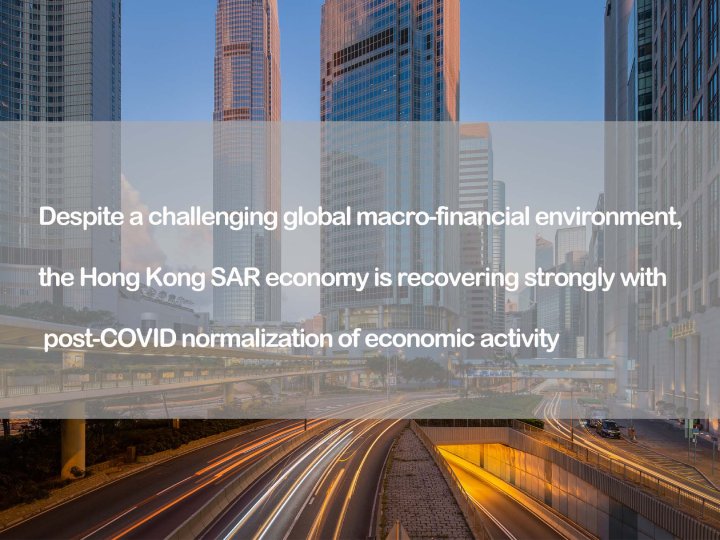
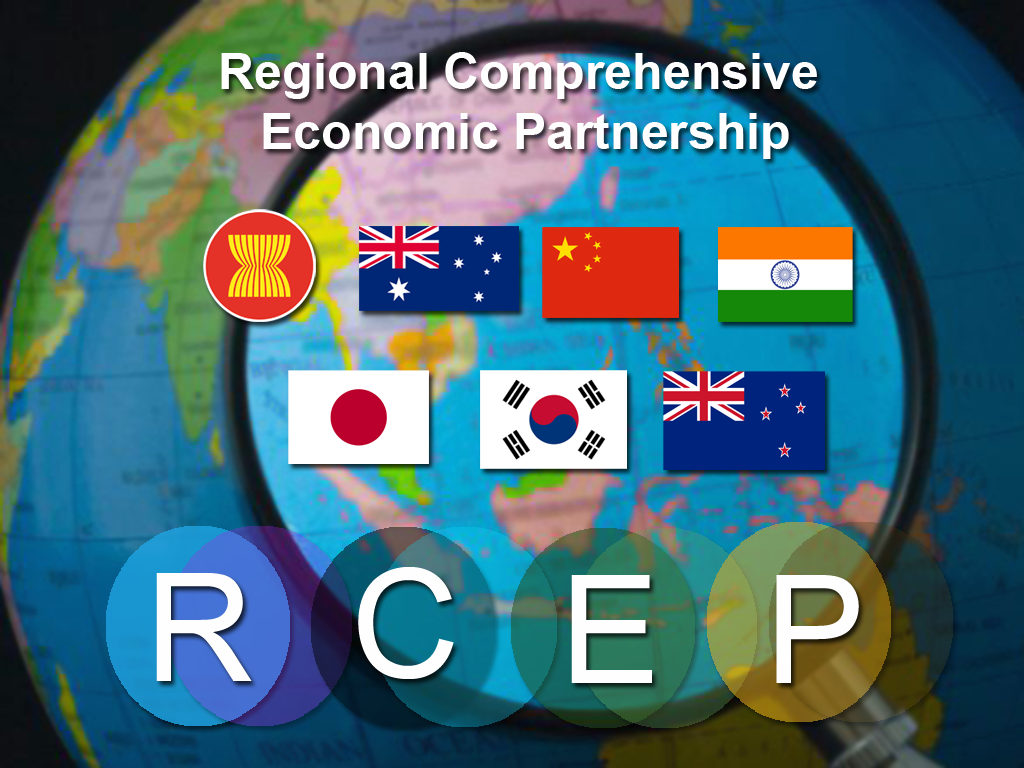
The Regional Comprehensive Economic Partnership (RCEP), which links 15 countries and nearly a third of global GDP, may be about to get bigger. ASEAN Secretary-General Kao Kim Hourn confirmed this week that several economies—including Bangladesh, Sri Lanka, Chile, and Hong Kong—have expressed interest in joining the pact. “ASEAN member states welcome countries that are interested in acceding to the RCEP,” Kao said in Jakarta, noting that ASEAN is also exploring how to connect RCEP with other trade frameworks to reinforce its strategic value.
Behind the diplomatic language lies a deeper urgency: the region is seeking buffers against escalating US trade actions. President Donald Trump's latest tariff salvo, set to take effect August 1, will see punitive import duties slapped on most ASEAN economies—up to 40% for Myanmar and Laos, and 36% for Cambodia and Thailand. Even Indonesia, which managed to negotiate its rate down from 32% to 19%, had to make sweeping concessions in return—including tariff-free access for US goods, multibillion-dollar energy and agriculture imports, and a planned purchase of 50 Boeing jets.
Economists in the region are already sounding the alarm. “This is hardly a win-win deal,” said Bhima Yudhistira, Director of the Center of Economic and Law Studies in Jakarta. “Indonesia's concessions are too steep. We need to stop over-relying on access to US markets and start building real trade depth within ASEAN.”
For many policymakers and analysts, RCEP is emerging as the natural alternative—a framework capable of absorbing some of the shocks from an increasingly weaponized global trade environment. The agreement, signed in 2020 after eight years of negotiation, eliminates over 90% of tariffs among its members and offers unified rules of origin, making it easier for companies to operate across multiple Asian markets.
Yet so far, the pact has fallen short of its potential. “Despite its scale, RCEP remains underutilized,” noted Lili Yan-Ing, Senior Economist at the Economic Research Institute for ASEAN and East Asia (ERIA). “We need to simplify access and cut red tape so that small and medium-sized businesses across Southeast Asia can actually benefit from it.”
Now, with Washington's tariff pressure intensifying, ASEAN appears more determined than ever to activate RCEP's full potential. Plans are underway for a dedicated RCEP summit, while foreign and finance ministers will meet jointly in October to explore how ASEAN mechanisms—including RCEP—can be transformed into what Kao calls “shock absorbers” for regional economies.
The idea is clear: rather than be tossed about by every geopolitical headwind, ASEAN wants to build a sturdier vessel—one that can weather tariff storms, reduce external dependencies, and strengthen regional resilience from within.
For international investors and multinationals watching this shift, the message is equally clear: Southeast Asia is rethinking its economic playbook. And RCEP, long seen as a sleeping giant, may finally be waking up.






























First, please LoginComment After ~