





Qianhai Emerges as a Gateway for Global Capital with Fintech and Cross-Border Finance at Its Core
Qianhai, once an experimental ground for financial reform, is now evolving into a fully fledged hub for global capital flows. Positioned as both a frontier for China's financial opening and a bridge to Hong Kong, Qianhai is driving fintech innovation, cross-border data infrastructure, and new models for private equity investment.
Fintech Infrastructure and Cross-Border Data
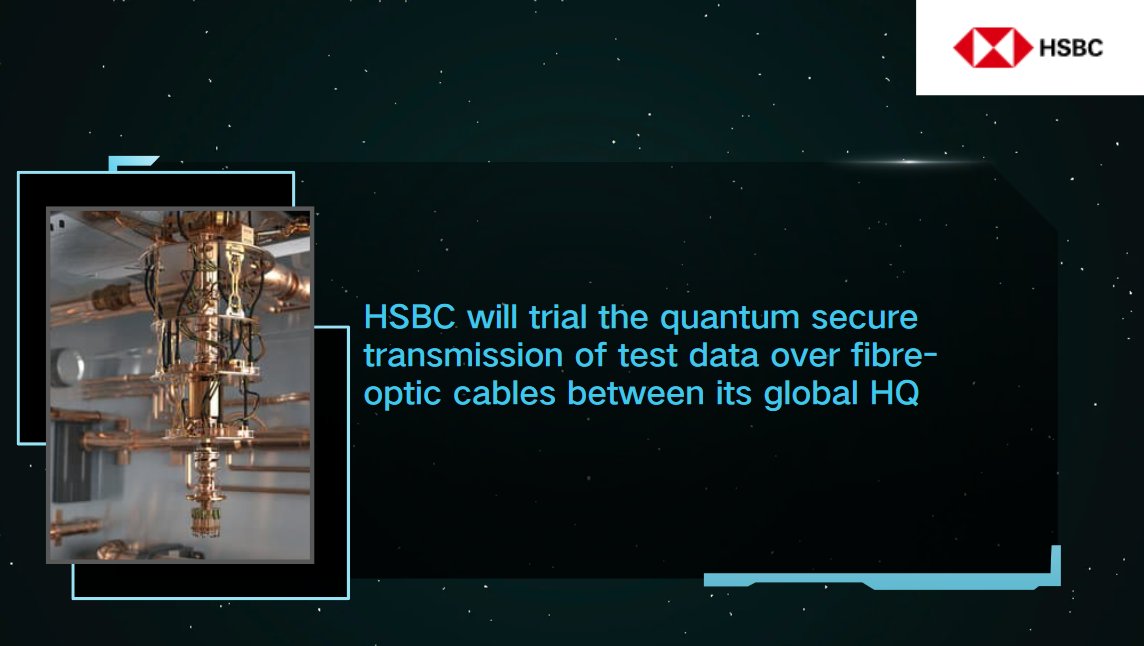
Over 90% of the “30 Measures for Financial Support to Qianhai” have been implemented, spawning first-in-nation models such as offshore RMB settlements without physical presence, quota-based QFLP pilots, and China's first dual-licensed bank. Qianhai has also launched platforms that strengthen its role in financial technology: a cross-border data verification system based on blockchain “fingerprints,” in trial since May 2024, has processed 1,700 validation cases for 15 institutions. This has already helped more than 30 mainland companies secure over HK$1 billion in loans from Hong Kong banks—demonstrating how technical infrastructure directly reduces financing barriers.
Private Equity and the QFLP Advantage
TWO

Qianhai has become Shenzhen's primary base for foreign private equity. By 2025, over 90% of the city's QFLP funds and 80% of its QDIE quota were concentrated here. The cross-border FT account system has recorded RMB 1.15 trillion in cumulative flows, with nearly 80% linked to Hong Kong. For multinational companies, Qianhai's cross-border pooling arrangements have cut operating costs by more than 40%, underscoring its efficiency as a treasury center.
A Platform for Capital Markets and Technology Firms
THREE
Qianhai is not only a magnet for funds but also a launchpad for companies. The zone has rolled out incubation services for “Little Giants” and knowledge-based firms, offering support from intellectual property securitization to IPO readiness. “For domestic firms, listing in Hong Kong is not just about financing—it is a step toward international governance and brand globalization,” said Su Jing, Deputy Director at the Qianhai Equity Exchange. This positioning aligns with Hong Kong's IPO surge, where more than 200 listing applications—half from technology firms—are in the pipeline.
Meanwhile, Qianhai is expanding commodity markets through its joint venture exchange, majority-owned by the Hong Kong Exchange. Its offshore soybean spot market, launched in 2022, cleared RMB 100 billion in 2024 alone, including RMB 50.8 billion settled via the cross-border RMB system.
Strategic Role in Global Capital Flows
FOUR
For international investors, Qianhai offers something rare: a regulatory sandbox combined with real economy depth. Its fintech-enabled infrastructure makes cross-border transactions faster and more secure, while its capital market platforms provide entry points into both China’s innovation economy and its vast consumer base. In just four years, Qianhai has transitioned from a policy “testing field” into a financial showcase—one that is increasingly central to the integration of global capital with China’s growth story.




































First, please LoginComment After ~