





Qianhai and the Greater Bay Area: A Hub for Cross-Border Business and Innovation
This article contains AI assisted creative content
Shenzhen’s Qianhai has become a focal point in the Greater Bay Area (GBA), linking Hong Kong, Macao, and nine Pearl River Delta cities. Despite covering less than 0.6% of China’s territory, the GBA contributes 1/9 of national economic output, with a 2024 GDP of 14 trillion yuan, demonstrating its dynamism and openness.
ONE
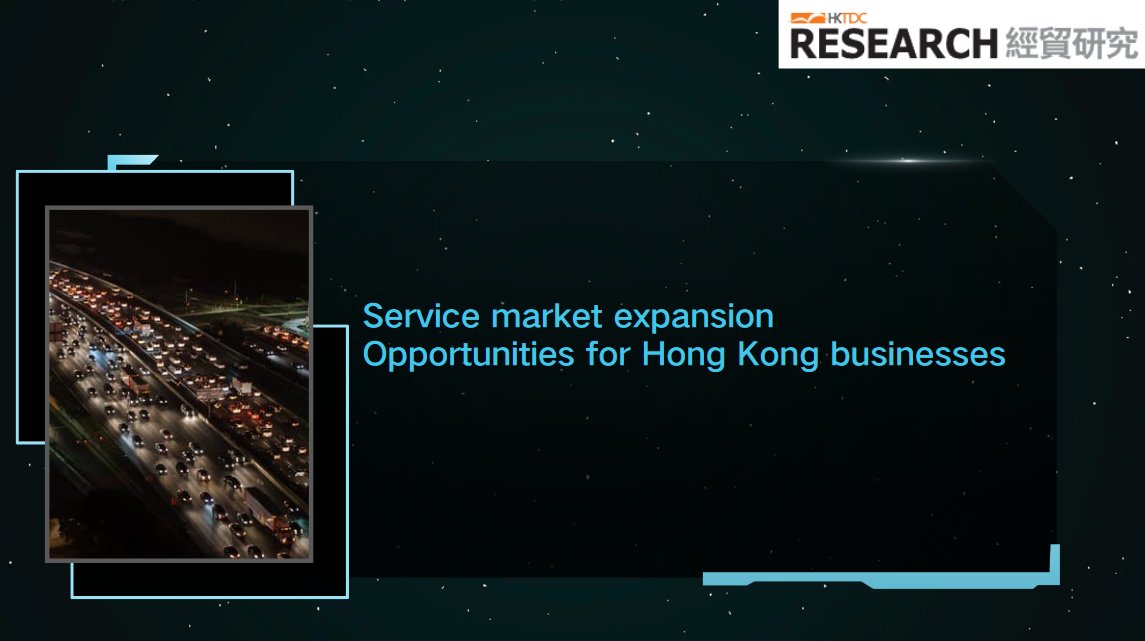
Infrastructure has transformed regional logistics. The Shenzhen-Zhongshan Corridor handles over 86,400 vehicles daily, while the Huangmao Sea Passage forms a “super corridor” connecting Jiangmen, Zhuhai, Macau, and Hong Kong. High-speed and intercity rail lines, including Guangzhou-Shenzhen-Hong Kong Express Rail, integrate cross-border commuting. First-half 2025 figures show 15.03 million cross-border rail passengers (up 16.1%) and 13.9 million arrivals/departures at Hengqin Port (up 33.4%).
“Soft connectivity” complements transport links. Cross-border payments like AlipayHK and MPay, policies allowing Hong Kong and Macau residents flexible travel, and reciprocal vehicle arrangements reduce operational friction. Guangdong-based Hexing Edible Oil Co. reports smoother supply chain access to Hong Kong and Macau, cutting logistics costs and time.
TWO
Qianhai and broader GBA innovation zones foster synergistic R&D. Zhiwei New Materials in Guangzhou overcame foreign technology monopolies with support from HKUST and the Ho Ying Tung Research Institute. Shekou-based Shenzhen-Hong Kong Youth Innovation Center has incubated 1,450 startups, including 1,028 from Hong Kong, Macau, Taiwan, and overseas, with tax incentives cutting operational costs by over 1 million yuan per firm.
World-class research infrastructure—from the China Spallation Neutron Source to national supercomputing centers—is increasingly open to enterprises and international researchers. In 2025, the Shenzhen-Hong Kong-Guangzhou innovation cluster ranked first globally in the WIPO Global Innovation Index among top 100 clusters.
THREE
Qianhai's financial ecosystem supports international business. Cross-border data verification platforms enable Mainland firms to secure Hong Kong loans totaling nearly 100 million HKD with reduced compliance costs. Customs innovations like “single-entry, dual-report” streamline import/export procedures, while upgrades to Bond Connect and cross-border wealth management facilitate capital flow.
Qianhai's 2024 GDP reached 300.88 billion yuan, imports and exports totaled 706.65 billion yuan (+42.4% YoY), and utilized foreign investment hit 26.65 billion yuan (+7.4%), highlighting its role as a testbed for institutional innovation and an international service hub.
FOUR
On October 15, 2025, the Kashgar Free Trade Zone and Qianhai-Shekou FTZ co-hosted the largest industrial matchmaking event in Kashgar, inviting 150+ enterprises, including BYD, ZTE, China Resources Vanguard, KPMG, and Cushman & Wakefield. Projects span cross-border insurance, digital tourism, functional agriculture, and international logistics.
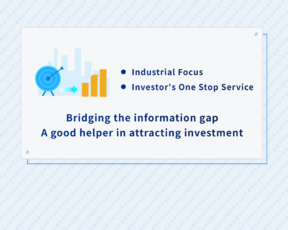
The event launched a “one-stop” professional services alliance covering finance, legal, accounting, and IP, allowing local companies to expand into Central Asia and Europe with minimal friction.
FIVE
Qianhai and the GBA exemplify how connectivity, innovation, and institutional openness create actionable opportunities for foreign investors, professional service providers, and multinational corporations. From transport corridors and shared R&D infrastructure to cross-border finance and policy facilitation, the region offers both market scale and operational efficiency. The recent inland collaboration with Kashgar extends these advantages beyond the Pearl River Delta, signaling a blueprint for international engagement and cross-border enterprise growth.






























First, please LoginComment After ~