





Guangdong's Financial Engine Accelerates as Credit Expands, Rates Fall, and Policy Focus Sharpens
China's southern powerhouse, Guangdong, is showing renewed financial vitality as credit expansion, falling interest rates, and targeted policy lending converge to fuel the real economy.
At a press briefing by the People's Bank of China (PBoC) Guangdong branch on October 24, officials said that local financial institutions had intensified counter-cyclical support during the third quarter, resulting in a financial landscape marked by steady growth, optimized structure, and lower financing costs.
“The pace of growth is accelerating, providing solid support for the stabilization of the real economy,” said Yuan Zhonghong, Deputy Researcher at the PBoC Guangdong branch's Statistics and Survey Department.
From January to September 2025, the branch deployed RMB 184.4 billion in relending for agriculture and small businesses — RMB 15.3 billion more than a year earlier — while specialized programs such as tech innovation and equipment-upgrade relending added RMB 57.8 billion in loans. Meanwhile, carbon-reduction financing tools mobilized RMB 141.8 billion, underscoring the region's growing commitment to sustainable finance.
Total social financing rose RMB 2.4 trillion in the first nine months, up RMB 337.4 billion year-on-year, as both credit and capital-market financing expanded. Loan balances reached RMB 29.9 trillion, up 5.7%, while total deposits climbed to RMB 38.3 trillion, up 5.3%.
A notable shift emerged in savings behavior: as lower rates took effect, current deposits surged 12.9% year-on-year to RMB 8.9 trillion, outpacing total deposit growth by 7.6 percentage points and marking the eighth consecutive month of acceleration. The trend reflects greater liquidity preference among households and corporates, as investors seek flexibility amid evolving monetary conditions.
TWO
Guangdong's credit structure increasingly mirrors China's national agenda of innovation-led and sustainable growth.
Between January and September, direct financing through corporate bonds, equities, and local government debt rose RMB 762.2 billion, up RMB 170.2 billion year-on-year — now accounting for nearly one-third (31.9%) of total social financing growth.
The PBoC branch highlighted solid progress in the nation's “five key financial priorities” — technology, green, inclusive, pension, and digital finance. By August, total loans in these segments hit RMB 12.5 trillion, up 10.3% year-on-year.
-
Technology finance rose 9%,
-
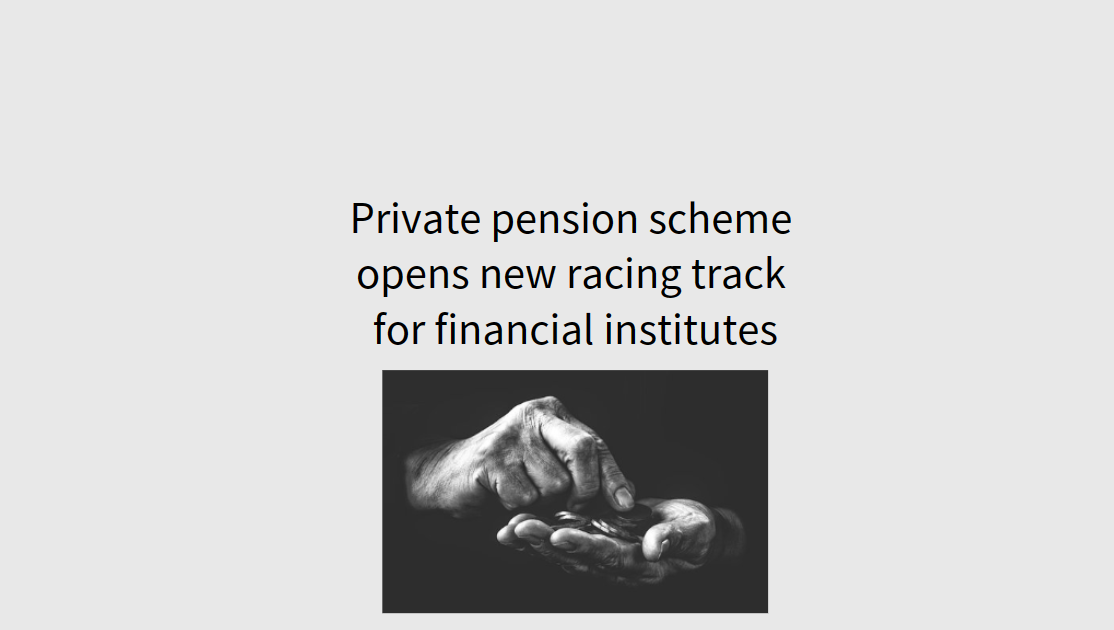
Pension industry lending soared 103.3%, reflecting rapid development of China’s aging-related services sector,
-
Digital economy loans gained 6.5%,
-
Inclusive finance loans rose 8%, and
-
Green loans climbed 24.5%.
In the interbank market, Guangdong's “Technology Bond” program, introduced just five months earlier, had already enabled 23 issuers to raise RMB 53.5 billion, providing an emerging channel for R&D-intensive enterprises to access long-term funding.
Manufacturing — still the backbone of Guangdong's economy — continued its upward path. By September, manufacturing loans totaled RMB 3.6 trillion, up 8.8%, while infrastructure-related lending stood at RMB 6.8 trillion, up 9%. Rural and agricultural lending also advanced robustly, growing 10.6%, as the province accelerated its “High-Quality Development of Counties, Towns, and Villages” initiative.
THREE
Monetary easing has translated into tangible cost relief for borrowers. In September, the average rate for newly issued general loans in Guangdong fell to 2.94%, 57 basis points lower than a year earlier. Corporate loans averaged 2.68%, down 47 basis points, while residential mortgage rates eased to 3.01%.
“The financial sector is making greater efforts to pass cost savings on to the real economy,” Yuan said. Reforms of the Loan Prime Rate (LPR) and transparency initiatives requiring banks to disclose comprehensive financing costs have improved pricing discipline and fostered competition. Combined with successive reserve requirement and policy rate cuts, banks' funding costs have fallen, widening room for credit expansion and rate concessions.






































First, please LoginComment After ~